
Material Composition:
- Made from high-strength textile fibers.
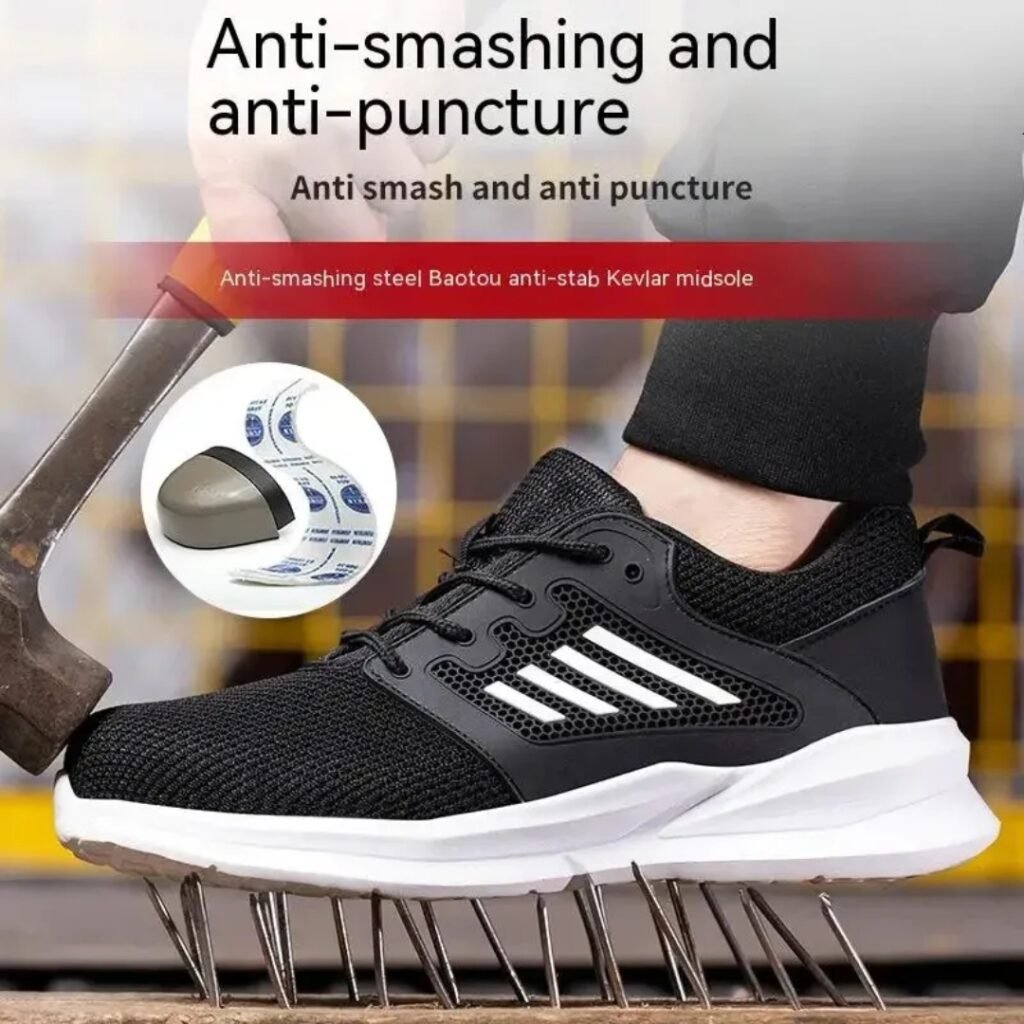
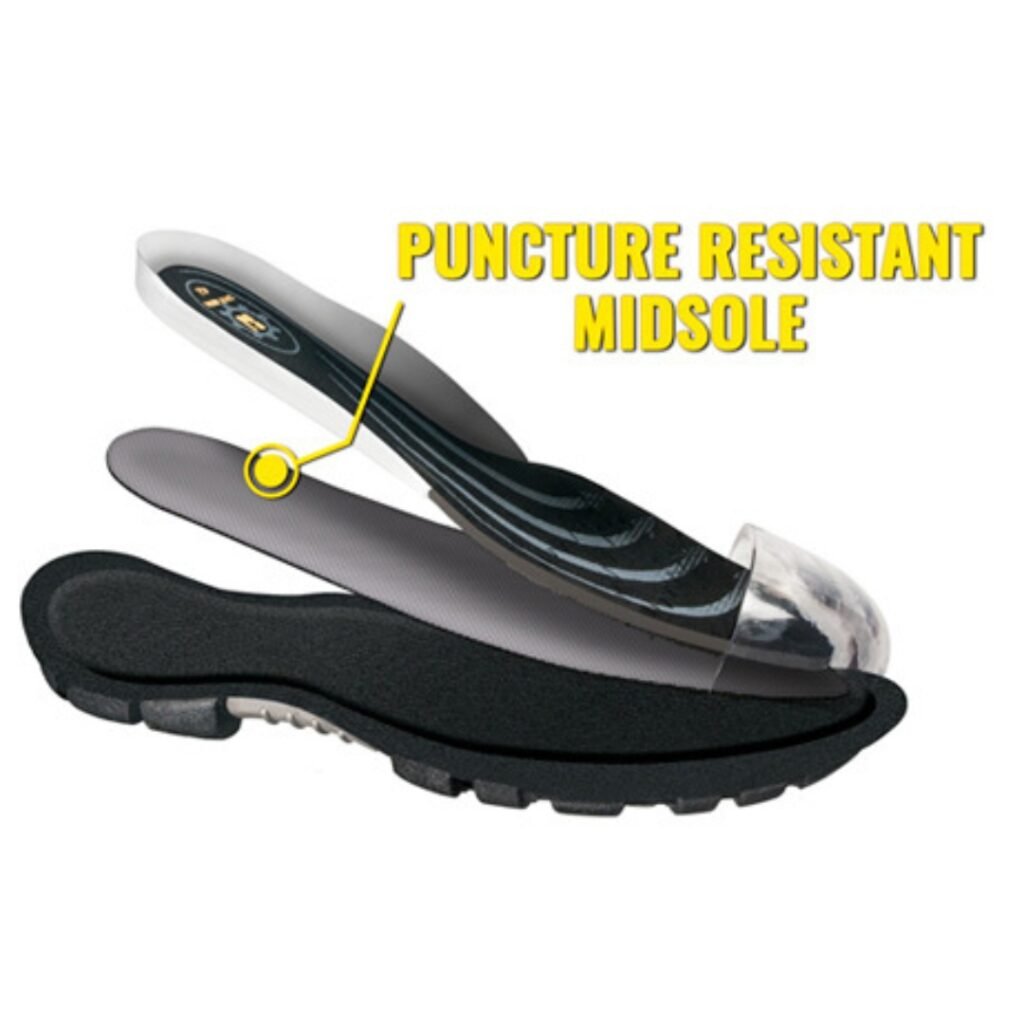
- Multi-layered composite structure for enhanced puncture resistance.
Perforation Resistance:
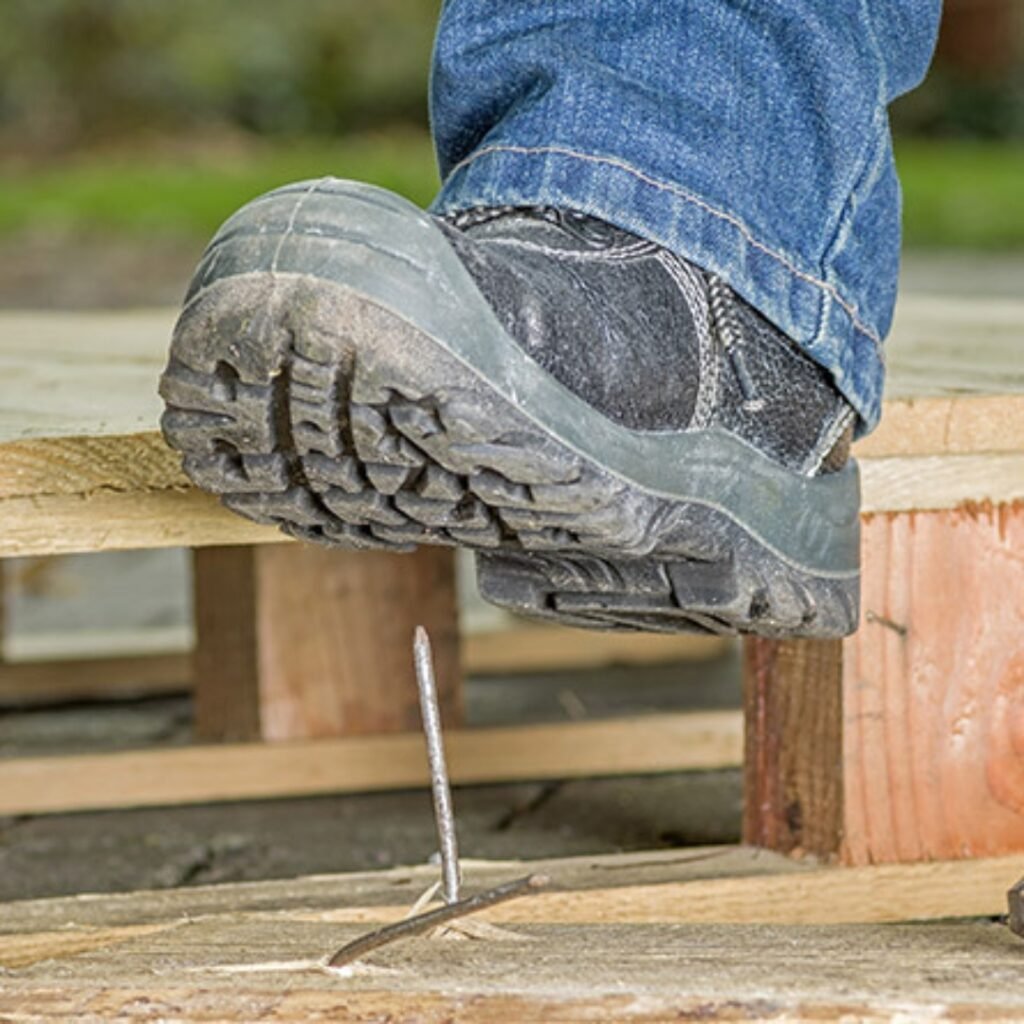
- Complies with EN ISO 20345:2022 or ASTM F2413 standards for puncture resistance.
- Offers resistance up to 1100 N (Newton) when tested with a 3 mm diameter nail (EN standard).
- Some high-end variants exceed this value for more demanding applications.
Flexibility:
- Highly flexible compared to steel midsoles, allowing better foot movement and comfort.
- Enables ergonomic shoe design for prolonged wear.
Weight:
- Lightweight (30–50% lighter than steel midsoles), reducing overall footwear weight and fatigue for the wearer.
Thermal Insulation:
Better thermal insulation than metallic counterparts—ideal for use in extreme hot or cold environments.
Magnetically Inert:
- Non-metallic construction makes it non-magnetic, ideal for use in security-sensitive environments (e.g., airports, military).
Corrosion Resistant:
- Will not corrode or rust over time—extends the life of the footwear in humid or corrosive environments.
Coverage Area:
- Covers 100% of the plantar surface, offering full-foot protection as opposed to partial protection in some steel midsoles.
Dielectric Properties:
- Offers electrical insulation, beneficial in electrically sensitive work environments (e.g., electricians).
Stitch-Penetration Resistant:
- Can be sewn directly into the footwear without compromising puncture resistance.